
In partnership with


Source: Magic City
The Atlanta Hawks thought they were doing an Atlanta-only kind of flex when they announced a themed game night built around Magic City, the strip club that’s been name-dropped so often in rap it basically has its own discography. The plan which is scheduled for March 16 when the Hawks play the Orlando Magic, is branded as “Magic City Monday,” complete with a performance from T.I., Magic City’s wings, and exclusive merch.
If you grew up invested in rap lore, you already understand why the Hawks pitched it as a “cultural institution” moment. Magic City sits in that weird, very specific intersection where nightlife, music industry politics, celebrity mythology, and sports fandom overlap, the kind of place that gets treated like a landmark in the same sentence as studios, venues, and neighborhoods.

Magic City in 1991
Source: Magic City
Smart starts here.

You don't have to read everything — just the right thing. 1440's daily newsletter distills the day's biggest stories from 100+ sources into one quick, 5-minute read. It's the fastest way to stay sharp, sound informed, and actually understand what's happening in the world. Join 4.5 million readers who start their day the smart way.
But then Luke Kornet threw cold water on the whole thing, publicly.
Kornet, a San Antonio Spurs center, posted a statement arguing the collaboration doesn’t just feel off-brand; it’s actively harmful. He said the Hawks’ framing conveniently skips the core reality: the business is a strip club - “as the business itself boasts,” in his words - and turning that into a family-facing promo risks normalizing the objectification and mistreatment of women. He asked the Hawks to cancel the night.
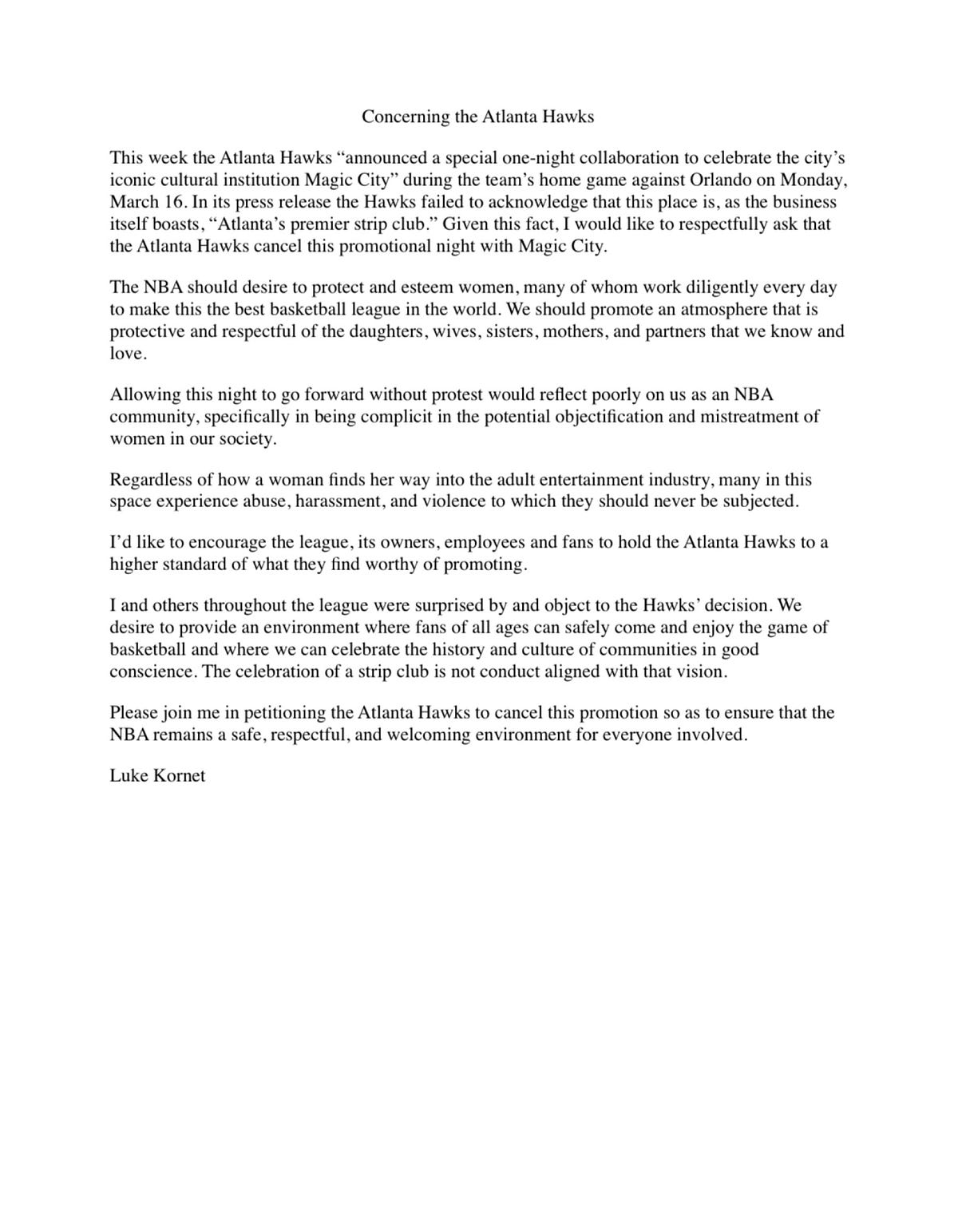
That’s the tension: the Hawks are selling it as Atlanta culture, Kornet is calling it an adult entertainment venue getting a major-league co-sign.
And the Hawks, for their part, have tried to keep the line clean. Reporting around the rollout notes that team executive Melissa Proctor said there will be no dancers involved in the arena programming, though the collaboration still includes food, music, and club employees being present.
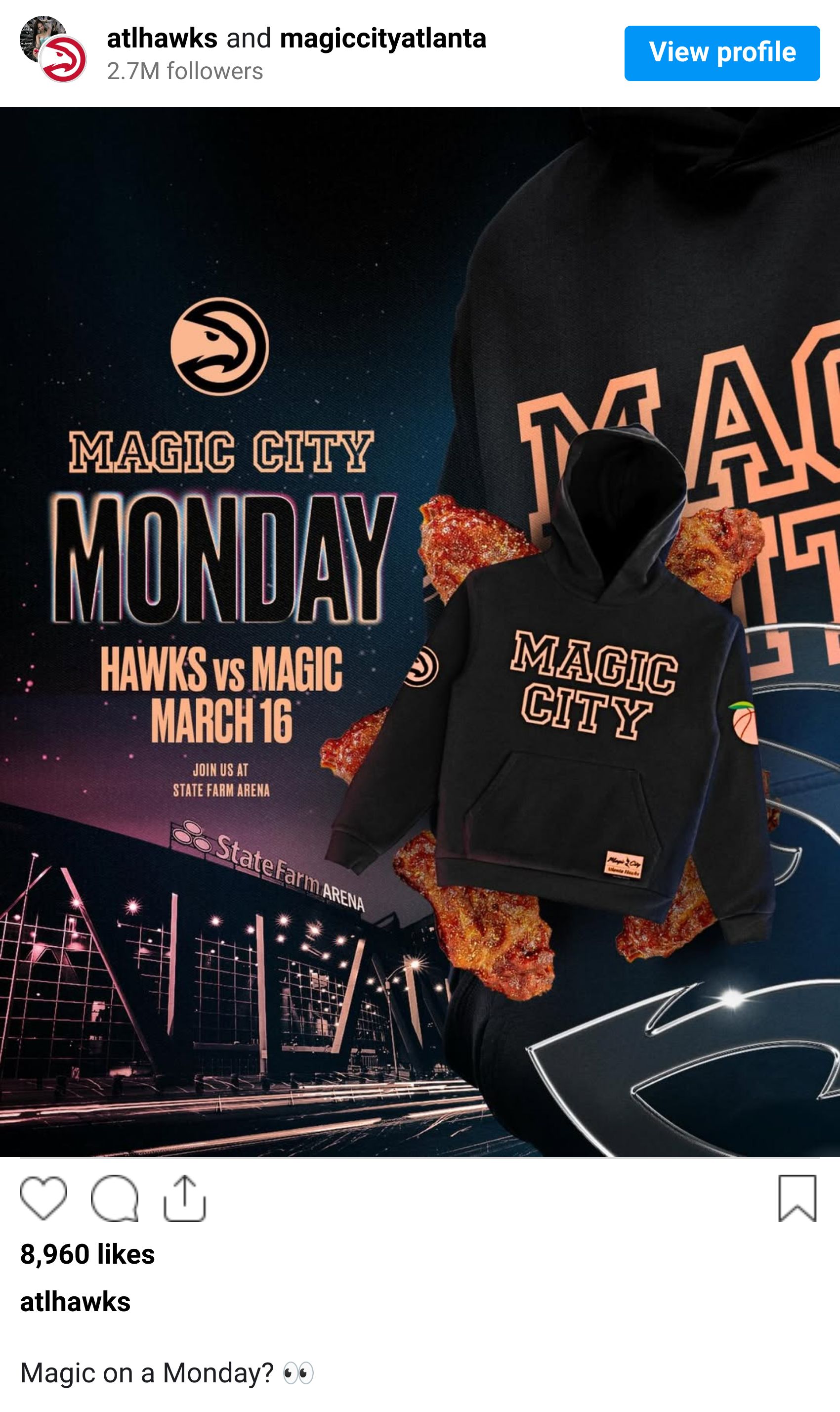
Here’s where the commentary gets tricky, because it can’t be the usual lazy “both sides” shrug. The Hawks aren’t wrong that Magic City has been part of Atlanta’s hip-hop ecosystem, the same way certain radio stations, studios, and nightspots become part of the machinery that breaks records and builds scenes. That’s not even controversial; it’s literally how cities work when music is an industry, not just a vibe.
But Kornet isn’t wrong about what gets laundered when a franchise turns that ecosystem into a theme night. Once it’s branded as a “celebration,” the whole thing gets sanded down into safe talking points: “iconic,” “Atlanta,” “culture,” “wings,” “T.I.”, while the part of the Magic City brand that made it famous beyond the city limits gets treated like an inconvenient footnote.
That’s also why “no dancers” isn’t the clean fix it sounds like. If anything, it underlines the contradiction: the Hawks want the cultural clout of Magic City without the part that makes Magic City Magic City. You end up with a sanitized, arena-friendly version of the reference: a vibe you can sell, detached from the reality that the vibe comes from women’s labor and women’s bodies being the product.

Source: Los Angeles Times
In a sport that’s constantly trying to sell itself as both community-first and culture-forward, this is what happens when the branding team moves faster than the values talk. The Hawks wanted a clever hometown joke — Orlando Magic on the schedule, Magic City on the poster, T.I. on the mic — and instead landed in a conversation the NBA keeps circling but never really resolves: when you borrow “culture” from the margins to make the main stage feel cooler, you don’t get to act surprised when people ask what and who you’re actually promoting.


