
Tyra Banks is taking legal action against Netflix over the way she was portrayed in the streaming platform’s America’s Next Top Model docuseries.
The supermodel, TV personality and creator of America’s Next Top Model has filed a federal lawsuit accusing Netflix and the producers behind Reality Check: Inside America’s Next Top Model of using deceptive editing to create what she describes as a “false and defamatory” version of her.
According to the lawsuit, Banks agreed to sit down for a three-and-a-half-hour interview under the belief that the project would offer a balanced look at the legacy of America’s Next Top Model. The series explores both the show’s cultural impact and the controversies that have followed it in recent years.
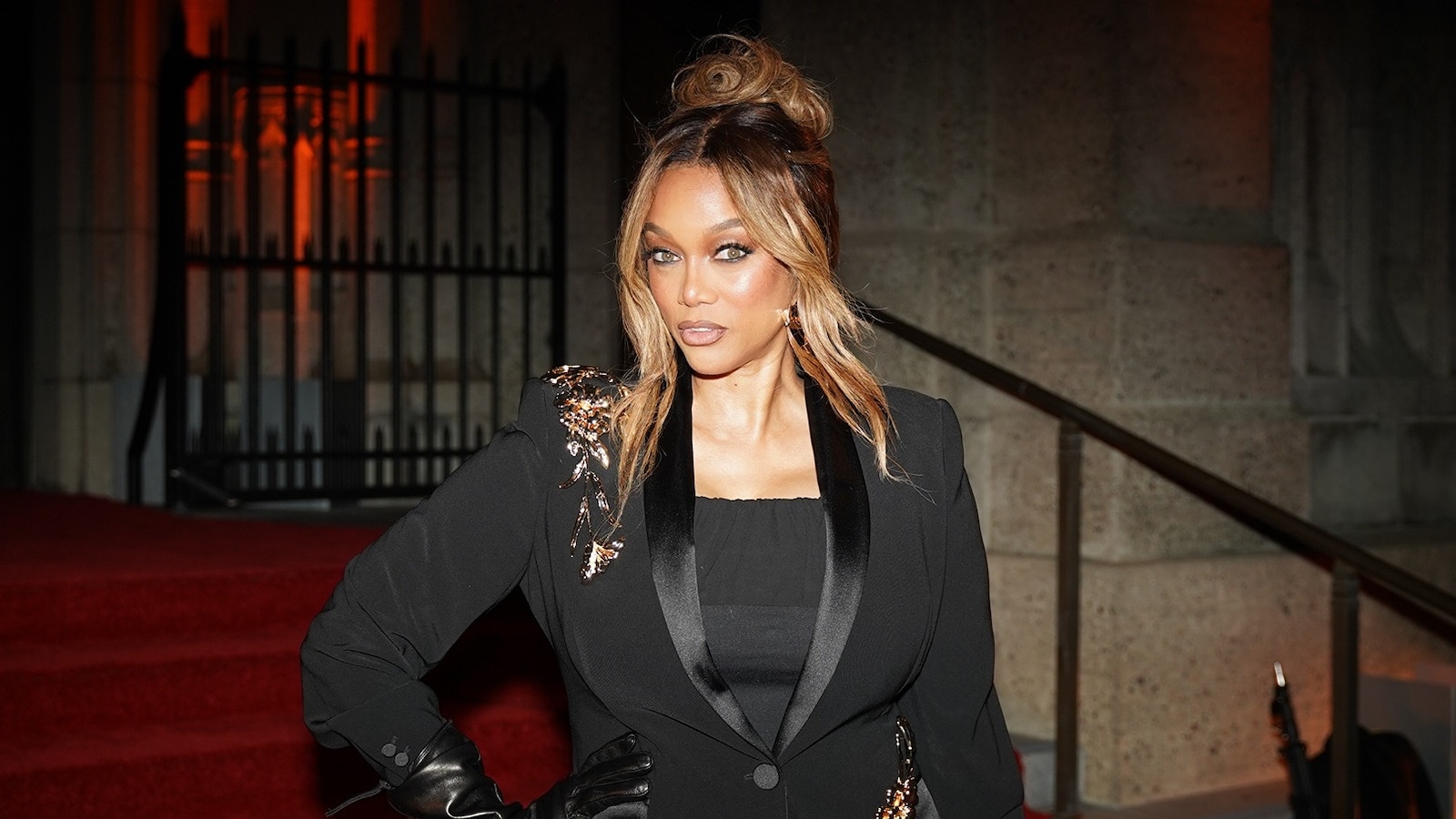
However, Banks claims the final version stripped away important context and used only a small portion of her interview to paint her in a damaging light.
The lawsuit argues that the documentary omitted moments where Banks allegedly took accountability for past mistakes and reflected on decisions she would handle differently today. Her legal team claims the final edit instead suggested she was dismissive of serious allegations involving the show’s past contestants.
One of the most disputed parts of the case reportedly centers on a segment involving former contestant Shandi Sullivan and comments tied to a 2004 incident. Banks claims she was not fully informed of certain accusations from other participants during her interview and was denied a fair opportunity to respond on camera.
Her lawyers also claim the series falsely implied that Banks knowingly allowed a contestant to be exploited and that the portrayal was a “complete fabrication” designed to create a more dramatic narrative.
Banks, who created and hosted America’s Next Top Model for most of its run, has faced renewed criticism in recent years as old clips from the show resurfaced online. The series, which debuted in 2003, became one of the most recognizable reality competition shows of its era, but its treatment of young models, beauty standards and sensitive social issues has been reexamined by a new generation of viewers.
Banks has previously acknowledged that certain moments from the show went too far. Still, her lawsuit argues that Netflix’s documentary crossed a legal line by allegedly manipulating her participation and damaging her reputation.
The filing also includes claims tied to false endorsement and breach of contract, with Banks seeking a jury trial and unspecified damages. Her legal team says the documentary harmed her image, business interests and future opportunities.
Netflix has not publicly responded in detail to the lawsuit, and reports say the company declined to comment while the case remains pending.